
Writing
The technical side, at length
Longer pieces about how the work actually gets done. Not news and not tied to a release, so they should still be worth reading in a few years.
-
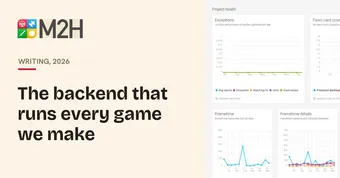
The backend that runs every game we make, ten years and counting
Every game we've made since 2016 runs on a backend I wrote myself. This is how it works, and why I moved it to C# this year.
Read it → -
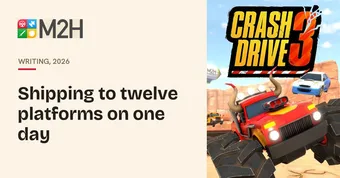
Shipping to twelve platforms on one day
On 8 July 2021 we launched Crash Drive 3 on twelve platforms on the same day, all playing together. Five years later I can say which ones were worth it.
Read it → -
Optimizing performance of Unity games
A method for finding out what is actually slowing your game down, instead of guessing. Written in the week Crash Drive 3 shipped.
Read it → -
The server side of game development
Every hosting option I tried between 2005 and 2012, from a server standing on toilet paper rolls in the attic to a CDN bill of 1,500 euros a month.
Read it →
New pieces arrive a few times a year. Follow along on LinkedIn, or put the RSS feed in your reader.
Published elsewhere
Written for Game Developer, back when it was still called Gamasutra. They live over there.
- 2020 Gaming a Truce The Christmas Truce in Verdun, the Wolf Truce in Tannenberg: what happens when you ask players in a war game to stop shooting.
- 2016 Postmortem: Verdun Steam Early Access Nineteen months in Early Access, 220,423 copies sold, and the numbers behind them.
- 2015 Evolution of mobile marketing Using the web audience you already have to launch the mobile version, instead of buying a new one.
- 2014 Network traffic culling Sending distant players fewer updates than nearby ones. Half the messages per second, same game.
- 2014 Mac App Store download numbers and sales figures Our own figures for three games, including the one that hit number one at Christmas and earned five cents a download.