The long version
Twenty years of building things people play together
M2H has been a hobby, a two-brother company, a studio with staff, and now one person again. Twenty-odd releases and a WW1 series sold along the way. Here it is in order, starting where it started.
Browser games and the first real community
I started making games in 2004 as a hobby, next to web design gigs. The first ones, Warrior Fields and Robot Revolutions, were rudimentary. They also taught me an enormous amount.
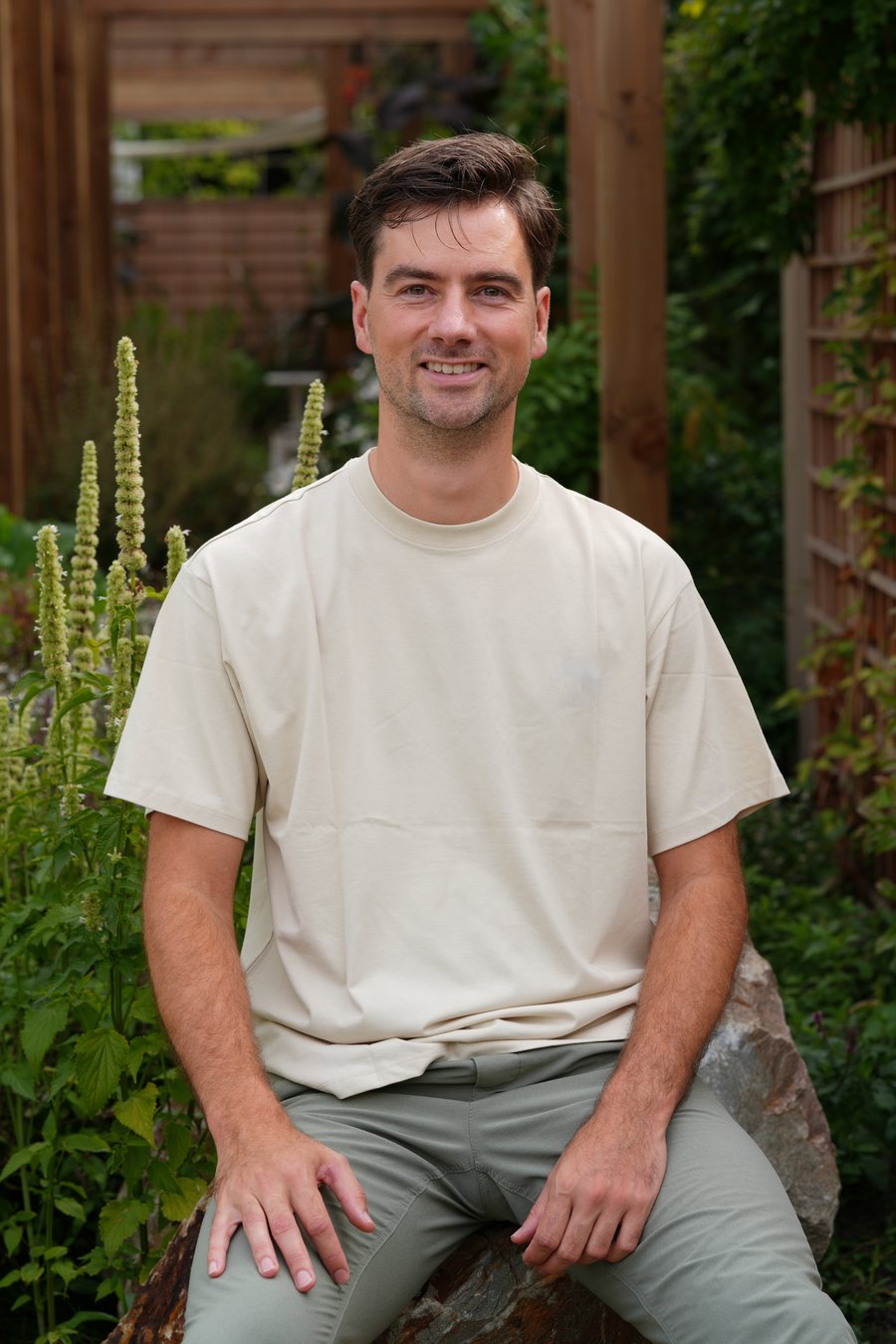
In 2005 I built Syrnia, a text-based medieval MMO. It ran for over twenty years and passed 350,000 registrations, but that is not the part I remember. Players became real friends. A few couples met in the game and ended up married. We also kept a memorial page for community members who had died. Watching people build genuine bonds inside something I had written showed me early on what multiplayer is actually for.
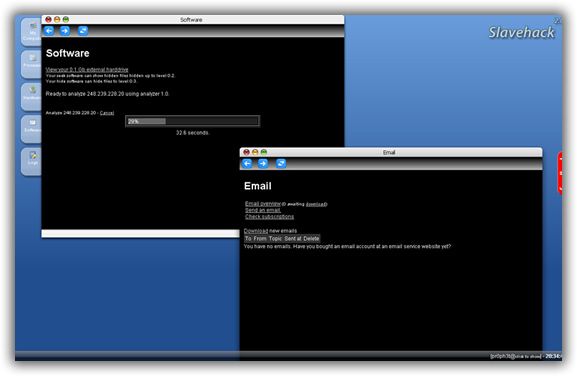
In 2006 I made Slave Hack, a hacking simulation where players competed to be the best hacker. It hit the front page of Digg, which was a big deal back then, and my server buckled. I was literally in the barber’s chair when the hosting provider called. The traffic kept that server flat on its back for nearly a week.
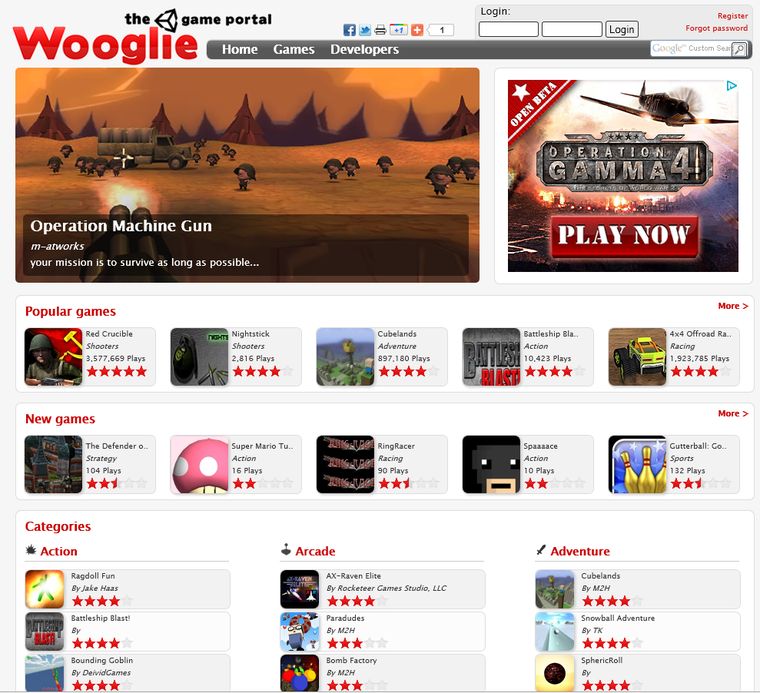
By late 2008 I was experimenting with Unity, and there was nowhere good to publish Unity web games. So my brother Matt and I launched Wooglie.com, a portal that existed purely because we needed somewhere to put our own work.
From hobby to company
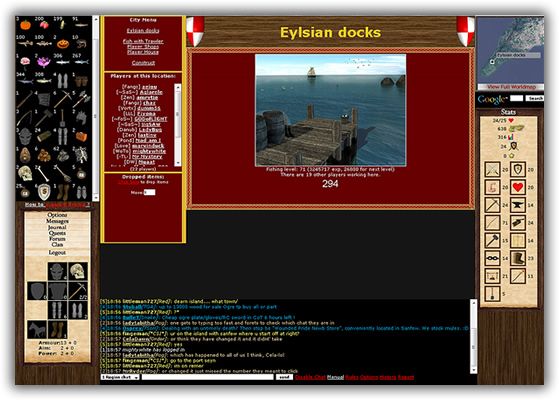
In January 2009 I legally founded M2H as a one-man company. Matt had been helping out with 3D art on the side, and once the company existed we started working together properly. I did the code and the technical side, he did the art.
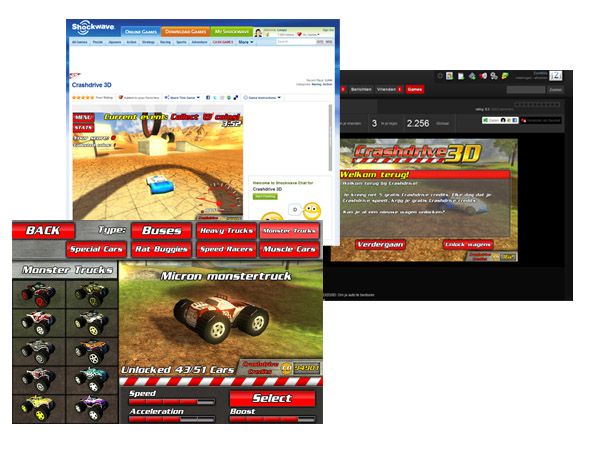
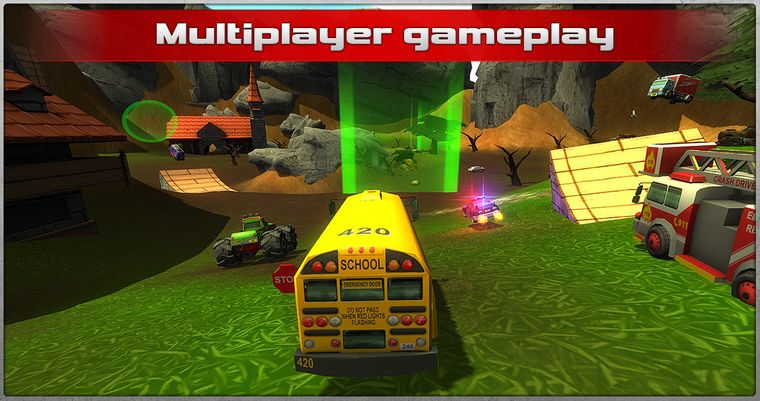
We made small experimental multiplayer games, mostly released through Wooglie. One of them was Crash Drive 3D, a stunt driving game that found an audience for its open-world chaos. We tried mobile too, with Bomb Factory in 2009, weren’t happy with it, and put mobile aside for a year. That one was humbling, and useful.
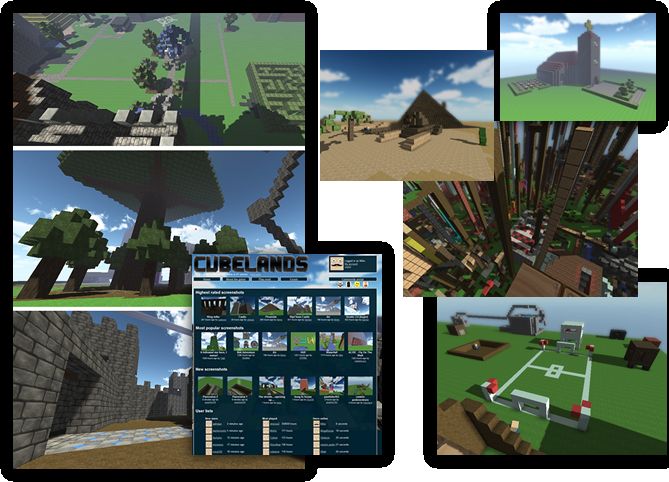
While finishing university I built Cubelands, an online block-building game. It got popular enough that the German company Upjers bought it from me in July 2011. Letting it go was hard. It also proved the hobby could be a business.
University fed straight back into the work. For my bachelor’s project I built a 3D multiplayer prototype, basically Syrnia again but in 3D, with all my attention on the networking: how to keep players in sync inside a shared world. My master’s thesis at VU Amsterdam was about collaborative game development, letting several developers work in one Unity project at the same time with every change visible to everyone instantly. Multiplayer development itself, years before Unity Collaborate or Plastic SCM existed. We also put a few tools on the brand-new Unity Asset Store around then.
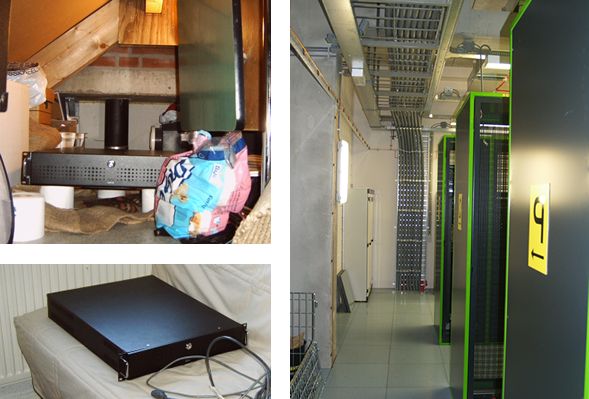
Those years were a crash course in running online games. We self-hosted everything. The first game server hummed away in my parents’ attic, sitting on toilet paper rolls to keep the noise down. Unity’s built-in networking was limited, so I worked with Exit Games to co-create Photon Unity Networking. Plenty of developers still use PUN today, and I’m quietly proud of that. Years later I wrote up how I go about finding what is actually slowing a game down.
Mobile hits and the trenches
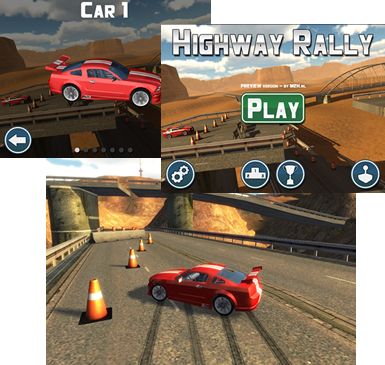
We brought Crash Drive 3D to iOS and Android as mobile took off, and it passed five million downloads by late 2012. We partnered with Spil Games to get it running in browsers too, which widened the reach again. Highway Rally followed that December.
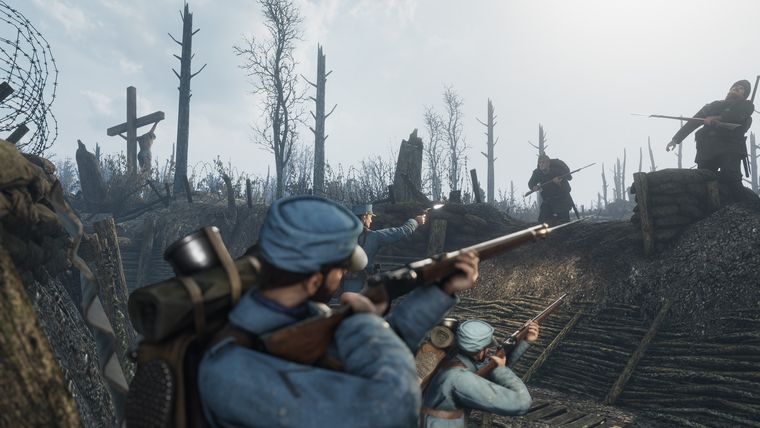
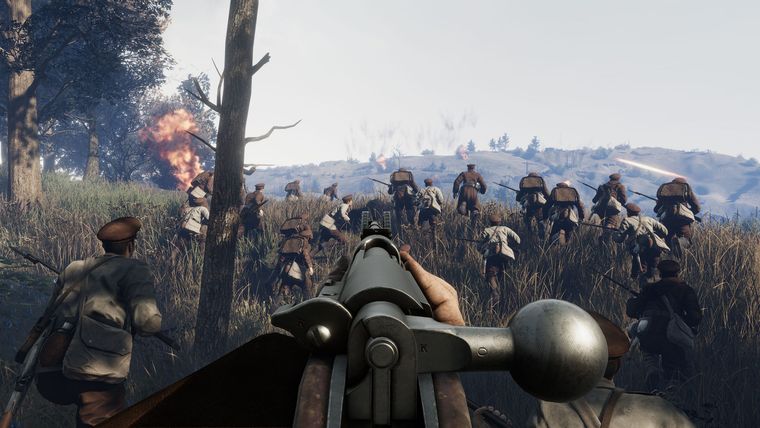
Then 2013 changed everything. Matt and I formalized our partnership, and we started work on a realistic World War I shooter with Jos Hoebe, who I had met in my first university days. Verdun went onto Steam Greenlight that summer and became the first Dutch game ever approved through it.
We were building Crash Drive 2 at the same time, and outsourced part of it to RageSquid so Verdun could stay the priority. Both came out in 2015: Verdun in April, Crash Drive 2 in May. Getting 32-player matches to hold together is still one of the technical things I’m proudest of.
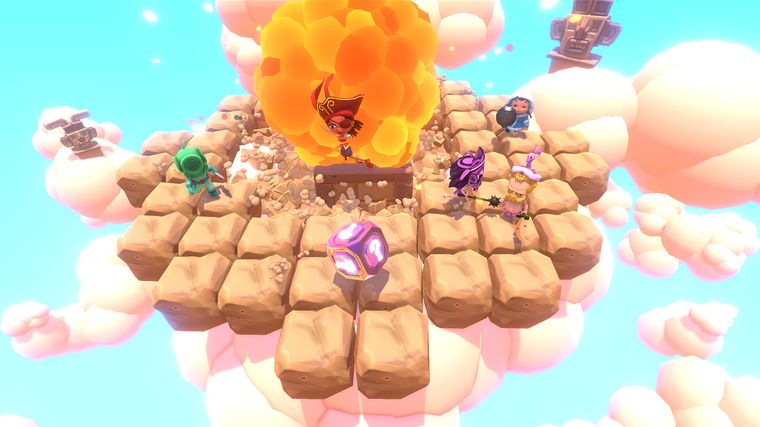
During a Global Game Jam in late 2014 I prototyped something deliberately silly as a break from mud and rifles. It turned into Marooners.
A series, and then a sale
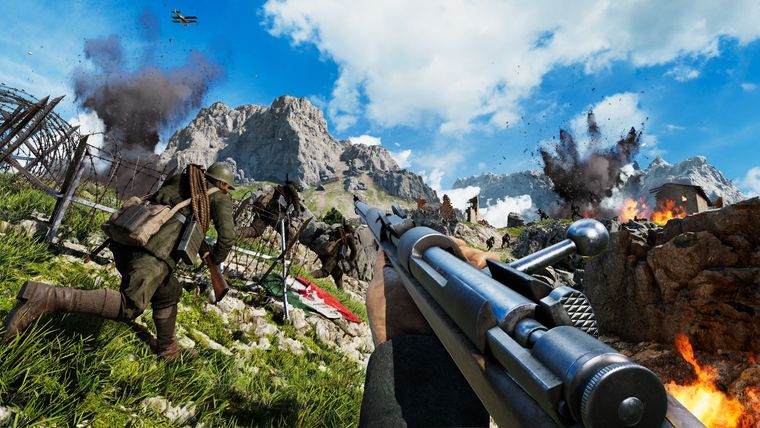
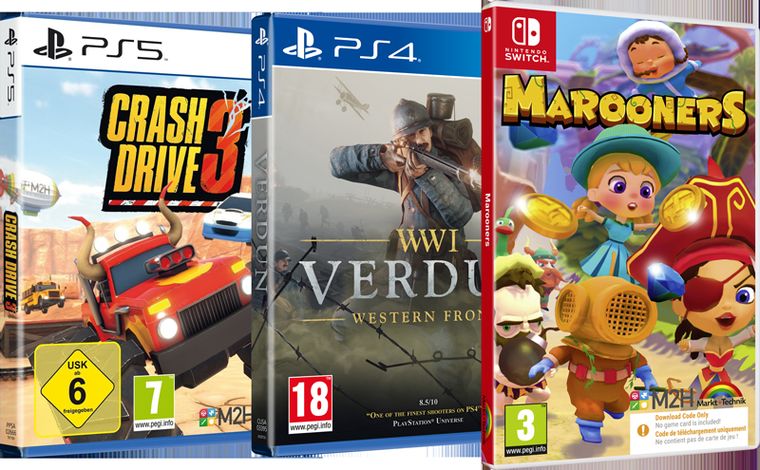
Marooners launched in early 2016, and M2H became a BV that same year. Verdun’s success turned into an entire WW1 Game Series: Tannenberg on the Eastern Front, in early access from 2017 and fully released in 2019, then Isonzo in the Italian mountains in September 2022. Between them the three games sold more than two million copies, far beyond anything Jos, Matt or I pictured at the start.
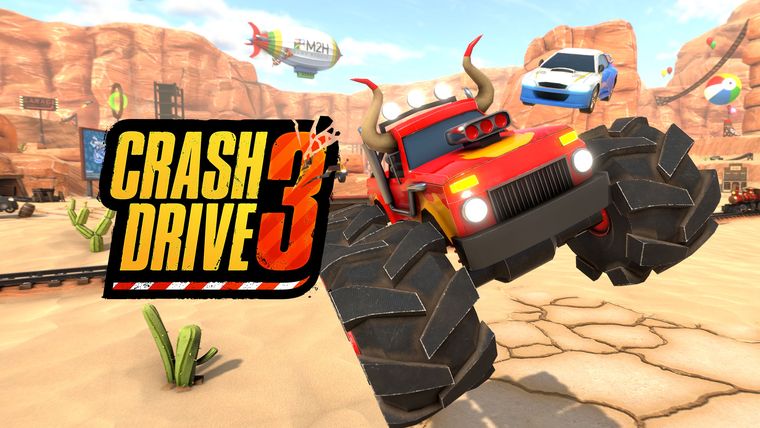
We never stopped making the loud, colorful things either. Crash Drive 3 arrived in July 2021 with crossplay across PC, console and mobile. Twelve platforms in total, all playing together.
In late 2022 we sold our majority stake in the WW1 Game Series to Focus Entertainment. The franchise got a major publisher behind it and stayed with Jos, who runs it as BlackMill Games. We got to go looking for the next thing.
Back to one person
After seventeen years of making games together, Matt left M2H in 2023 to do his own thing. I’m grateful for everything he brought, and I’m continuing M2H the way I started it: on my own, with a network of collaborators whenever a project needs more hands.
Somewhere along the way the work got recognized as cultural heritage. Verdun is in the Dutch Gamescanon at the Netherlands Institute for Sound and Vision, and the M2H collection, studio history and complete games, is preserved in the regional archive.
Through browser worlds, mobile hits, console shooters and party games, one thing never changed. I like multiplayer. Two people falling in love through an MMO I wrote, strangers coordinating in Verdun’s trenches, a room laughing during Marooners. That’s the whole point, and it’s still what I’m after.
These days that means prototyping gameplay during the day and configuring servers at night, much like the old times, except now with two decades of scar tissue behind it. Which is why the game I most want to build next is a co-operative multiplayer RPG. That thread runs all the way back to Syrnia in 2005: a world you share with other people, where the fun is in doing things together instead of beating each other. Everything in between has been a detour from that idea, and a very good education for it.
What I am doing at the moment
Software for now, and a co-op RPG I keep circling back to. That has its own page →